
The Chemometrics research group at IDAEA-CSIC , led by the scientists Silvia Lacorte, Joaquim Jaumot, and Roma Tauler, is poised to make significant contributions to the fields of water science, analytical chemistry, and chemometrics. Their knowledge extends across diverse scientific areas, including the development and validation of innovative analytical methodologies for water contamination, the rigorous investigation of data sets throughout subsequent data modeling. The IDAEA research group of CSIC will be responsible for the evaluation and validating the organic micropollutants and microplastics sorption and thermal degradability properties of the device and for their monitoring in pilot scale studies, using combined analytical and chemometrics tools.
The UPC group of researchers covers the areas of nanotechnology, materials science and electronics. Sandra Bermejo bringing deep knowledge on the micro/nano structured nanostructure fabrication and its functionalization, and Ramon Bragòs , recognized specialist in electrical impedance spectroscopy characterization, both of them will carry out the thermoelectric analysis and the device construction. The UPC team also counts with the expertise of the applied mathematician Jorge Villar. The UPC research group will focus their activities mainly on the technological development of the device for water sensoring and thermal decontamination using real-time measurements.
In this project also participates many post-docs, future PhDs and students. The project team is highly motivated on the development of an original investigation into advanced approaches for eliminating contaminants through thermal degradation. The interdisciplinary attempts promise to yield valuable insights and solutions at the intersection of many scientific disciplines.
Personnel involved in SCERA and their tasks:

Silvia Lacorte – IDAEA
Subproject 1 coordination. Sorption experiments and supervision of analysis of contaminants and microplastics by Py-GC-Orbitrap-MS and LC-TOF-MS. Definition of sorbents to functionalize the ceramic nanostructure.
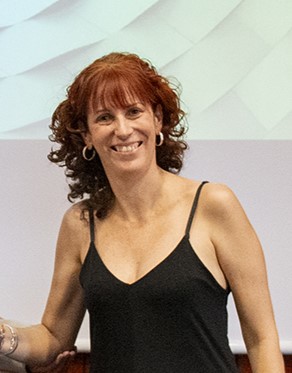
Sandra Bermejo – UPC
Subproject 2 coordination. Analysis and design of the electrokinetics conditions and technology development of the nano-microstructures. Technology design of the electrodes. Electrothermal analysis.
Joaquim Jaumot – IDAEA
Chemometric multiblock characterization integrating EIS and MS data. Design of Experiments in the sorption experiments.

Ramon Bragós – UPC
EIS and Pyrolytic settings. Energy management. IPR management.
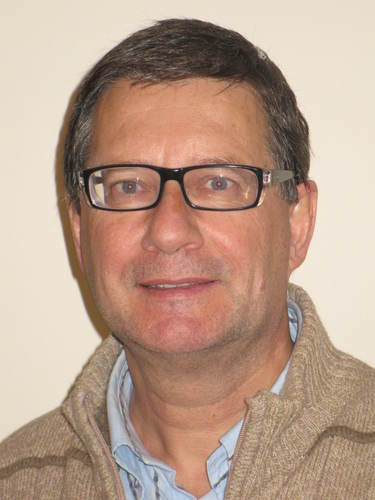
Romà Tauler – IDAEA
EIS pattern recognition and correlation according to HRMS fingerprinting both with LC and GC. HRMS data treatment to identify the evolution of contaminants and transformation products formed during pyrolysis.
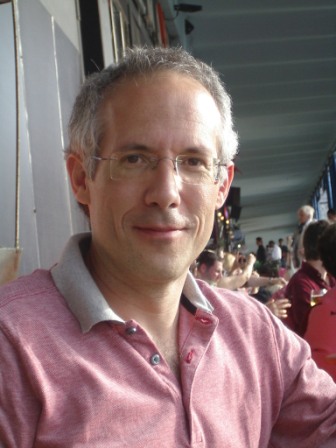
Jorge Villar – UPC
Data analysis of Electrochemical Impedance Spectroscopy
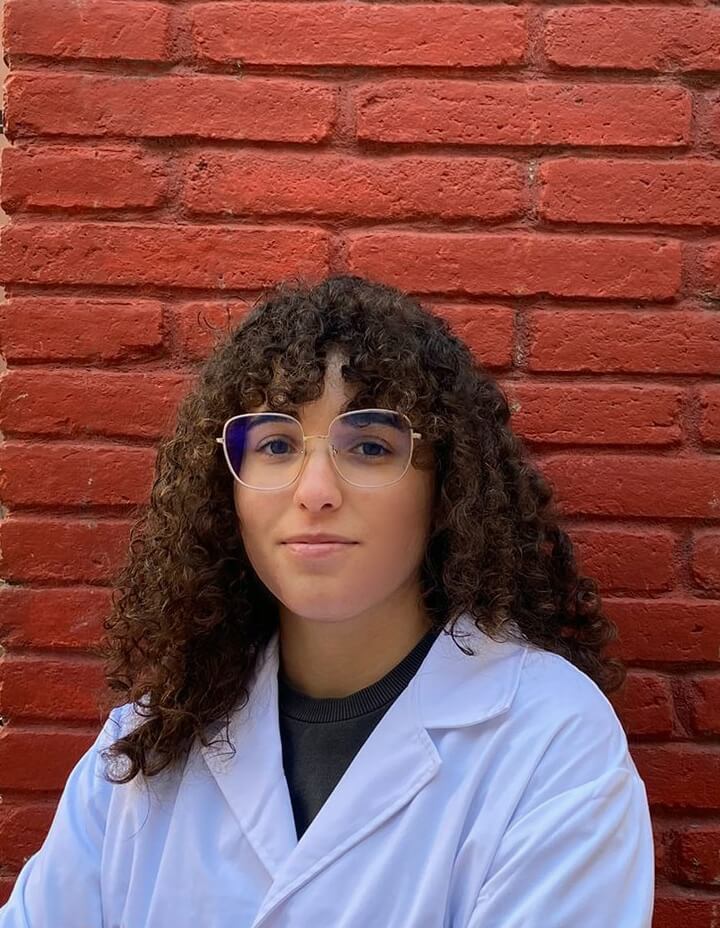
Ana Torres – IDAEA
Studies about degradation of microplastics (MP) using ceramic nanostructures to evaluate their performance.
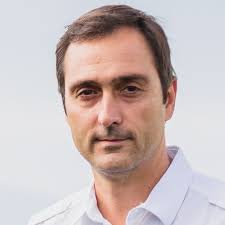
Stefan Platikanov – IDAEA
Statistical design of experiments for pyrolyis optimization. HRMS data treatment during pyrolytic decomposition.
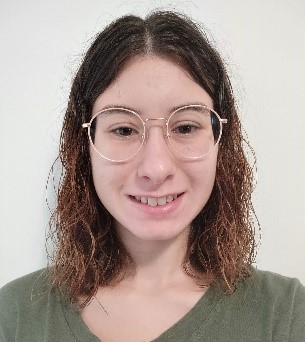
Aina Queral – IDAEA
Implementation and study of the pyrolytic degradability of contaminants in the 3 pilot scale experiments. Undertaking target/untargeted analysis of waters from the untreated/treated waters to determine possible unknown contaminants and their elimination.
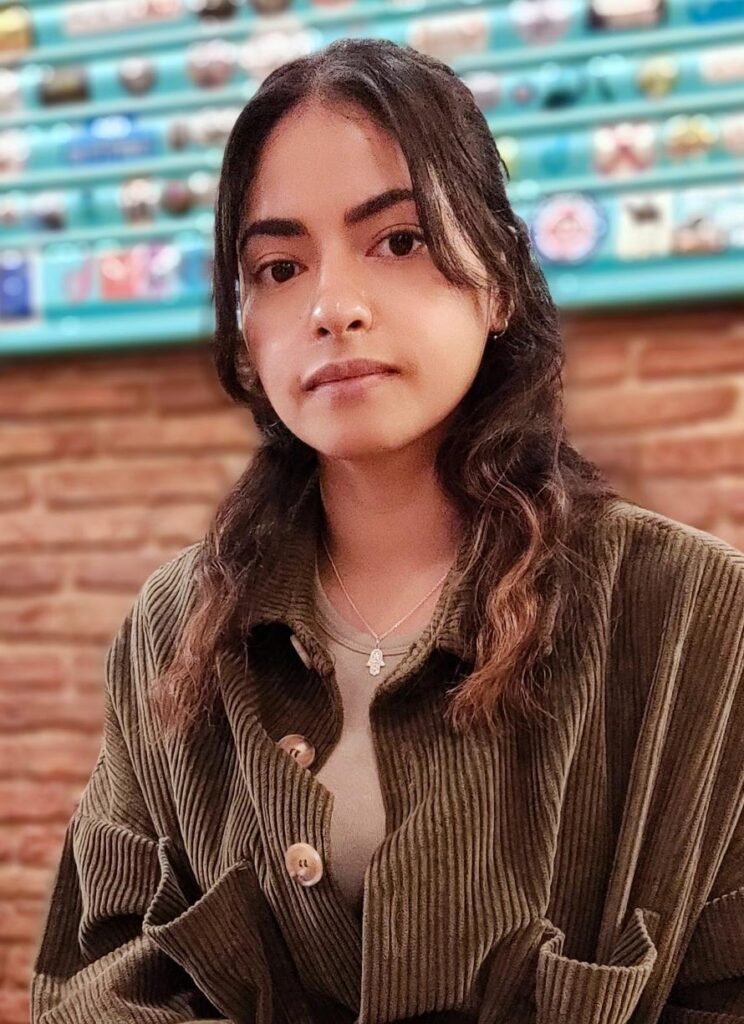
Michelle Cedeño – UPC
Design, fabrication, and characterization of the electrodes and ceramic nanostructures for contaminant and microplastic detection and removal. EIS characterizations analysis to assess the efficacy of Py-CER devices as water contaminant and microplastic detectors and to find the optimal manufacturing process
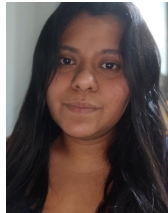
Ana Gabriela Coloma – UPC
Application of new technologies in the design and manufacture of ceramic devices
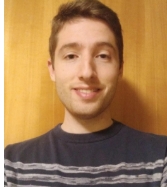
Abel Palomas – UPC
Design and technology development of the nano-microstructures.

Isaac Martín García – IDAEA
Characterization of Plastic Polymers and Their Blends Using EIS